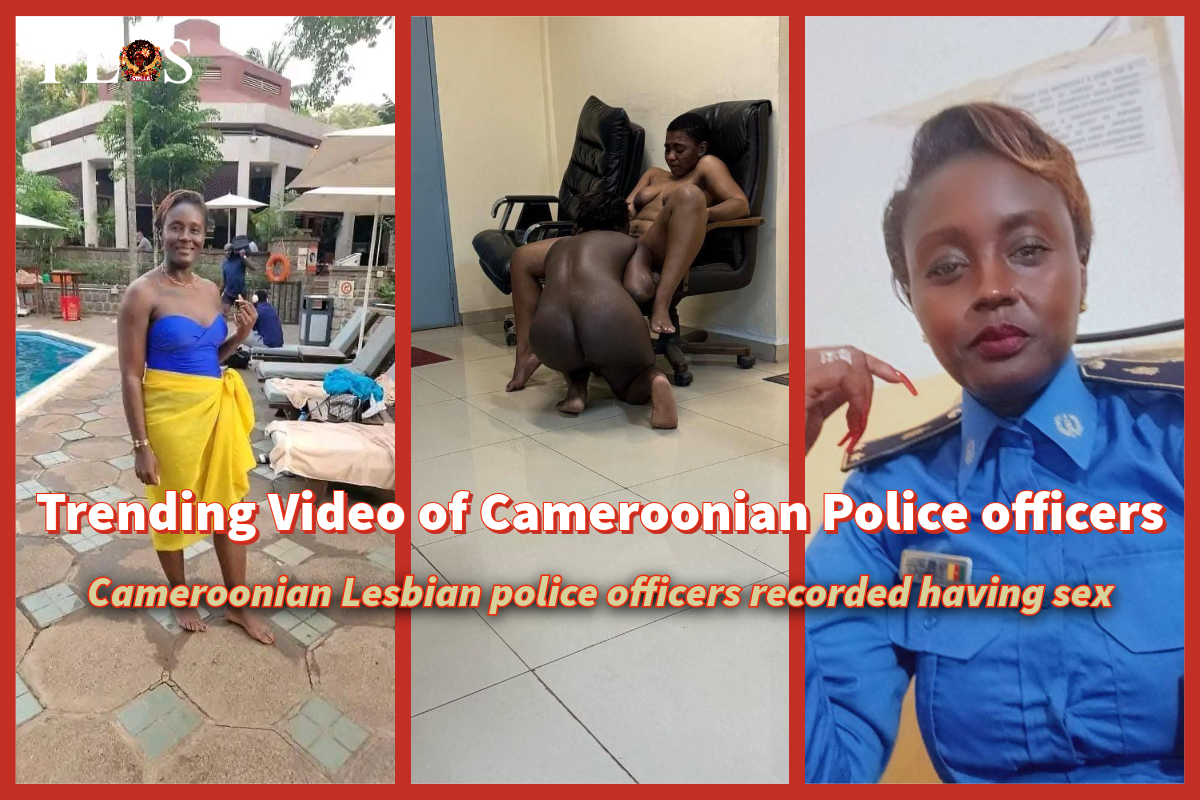
On June 25, 2025, a shocking incident unfolded within the Cameroonian police force, revealing a disturbing breach of trust and a significant lapse in moral judgment. Divisional Commissioner Josué Ossomo, alongside several other officers, egregiously transformed an official police office into an illicit filming set for explicit sexual activities. This disconcerting act not only undermined the principles of law enforcement but also violated the ethical standards that the public expects from their police force.
The event raised serious concerns regarding the integrity and professionalism of those entrusted with upholding the law. The police force, which is meant to protect and serve the community, instead became the center of a scandal that highlighted the darker aspects of institutional behavior. By utilizing an official office for such unacceptable activities, the involved officers not only compromised the values of their institution but also disregarded the very essence of their roles within the community.
This incident has severe implications for public trust in law enforcement in Cameroon. Citizens rely on the police to act with integrity and uphold the law, and when those in authority fail to do so, it leads to widespread disillusionment. The actions of Commissioner Ossomo and his colleagues have not only tarnished their reputations but have also cast a shadow over the entire police force. Public confidence is essential for any law enforcement agency to function effectively, and incidents like these threaten to erode that trust irreparably.
In a nation where law enforcement is already scrutinized for various challenges, this scandal further complicates the relationship between the police and the communities they serve. Moving forward, it is imperative for police leadership to address the ramifications of such actions transparently, promoting accountability and restoring moral integrity within the institution. Only through committed efforts can the Cameroonian police begin to mend the trust so severely damaged by this incident.
The Involved Parties: Profiles of the Officers
The recent scandal surrounding institutional pornography within the Cameroonian police force has brought significant attention to the individuals involved, particularly divisional commissioner Josué Ossomo and officer Christelle Eboa. Both figures have garnered notable public scrutiny, primarily due to the stark contrast between their professional responsibilities and their personal actions. Josué Ossomo, as a divisional commissioner, held a prominent position within the police hierarchy, which encompassed overseeing various operational protocols and ensuring adherence to the law. His track record reflected years of service, committed to upholding the integrity of the force, thus adding to the shock value of his involvement in the scandal.
Christelle Eboa, a police officer under his command, also played a crucial role in this controversy. Her background is characterized by a desire for career advancement and a commitment to serving the community. However, her participation in the filming of explicit content raises questions about her judgment and the motives behind her choices. Both Ossomo and Eboa’s professional trajectories betray an ironic divergence from the ethical standards expected of law enforcement officials, whose primary duty is to model lawful behavior.
Examining their personal lives reveals further complexities. Ossomo’s public persona as a disciplined leader starkly contrasts with his actions, raising doubts about the psychological and ethical pressures he may have encountered. Similarly, Eboa’s ambition and desire for recognition could have clouded her judgment, prompting her to engage in behavior contradictory to the core values of her role. These profiles illustrate the challenges faced by individuals in authority, as they navigate expectations, pressures, and temptations. Understanding the motivations and backgrounds of these officers offers insight into the layered dynamics that contribute to the scandal, as well as the repercussions of violating the trust placed in law enforcement.
The Aftermath: Repercussions and Institutional Response
The recent institutional pornography scandal within the Cameroonian police force has precipitated a multifaceted crisis, impacting not only the reputation of the police but also the broader implications for governance and public safety. In the immediate aftermath, the public’s trust in law enforcement has been severely undermined, sparking widespread outrage and calls for accountability. The incident has prompted reactions from various sectors of society, including civil organizations and governmental bodies.
To effectively manage the unfolding crisis, Divisional Commissioner Abena Armand has been appointed to oversee the police’s response. Armand’s role is crucial as the scandal has led to intense scrutiny of police practices and a questioning of the institutional ethics that govern officers’ conduct. Her appointment signals a recognition at the highest levels of the police that immediate, decisive action is necessary to regain public confidence and address the systemic issues that may have contributed to such misconduct.
Long-term repercussions of this scandal extend beyond immediate personnel changes. The institutional hypocrisy exhibited by certain members of the force brings into question the efficacy of existing accountability mechanisms. This situation has ignited debates about the need for comprehensive reforms within the police, emphasizing the necessity for enhanced training, clearer ethical standards, and effective reporting channels for misconduct. Such discussions are paramount, as they emphasize the pressing need for transparency within law enforcement that serves to protect and not exploit the citizenry.
Furthermore, the events surrounding this scandal have fostered a heightened awareness regarding the need for systematic oversight of police practices. The public demands not just responses to this scandal, but also long-term strategies that ensure zero tolerance for such violations in the future. Only through rigorous scrutiny and unwavering commitment to reform can the Cameroonian police begin to restore its credibility and fulfill its duty to uphold public safety.
Broader Implications: Authority, Morality, and Society
The recent scandal of institutional pornography within the Cameroonian police raises profound questions surrounding authority, morality, and societal norms. This incident does not merely reflect the misconduct of individuals; rather, it highlights systemic issues that permeate law enforcement agencies. The normalization of such behavior demonstrates a deterioration of ethical standards and raises significant concerns regarding accountability and governance. When those entrusted with upholding the law engage in immoral conduct, it undermines public trust in state institutions, challenging the very fabric of societal order.
Furthermore, the implications of this scandal extend beyond immediate legal repercussions. They signal a potential decline in public security as communities may feel increasingly vulnerable to abuses of power. Citizens expect law enforcement to protect them and maintain civic order. However, when police misconduct becomes evident, it fosters a culture of fear and skepticism towards those in authority. This erosion of trust raises critical questions about the relationship between the state and the community it governs—a relationship built on reliance, responsibility, and mutual respect.
Morality within law enforcement is foundational to its efficacy. When ethical breaches occur, it calls into question the core values that bind the society together. As the Cameroonian public grapples with this situation, the scandal invites reflection on broader social values, including integrity, discipline, and respect for human dignity. These values are paramount in establishing a robust moral framework that guides both individuals and institutions.